
Published on 27-10-2025
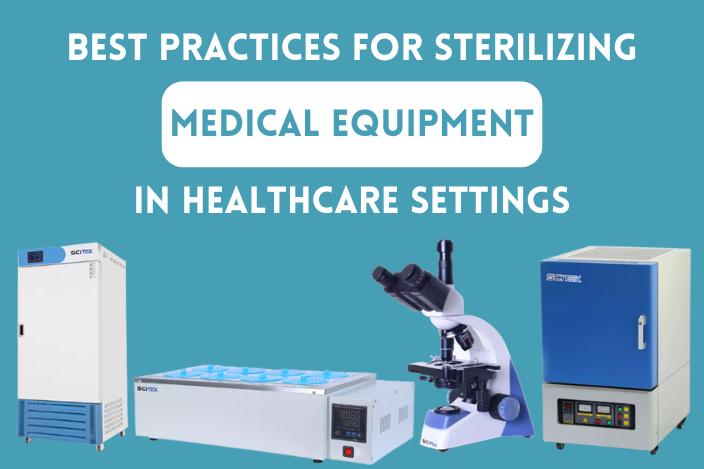
Best Practices for Sterilizing Medical Equipment in Healthcare Settings
Introduction
Serialization isn’t just a protocol but the primary concern for patient safety concerning the rising risks of infection and other issues. It takes in caution: the patient safety is related to every surgical instrument, diagnostic probe, and reusable device. That care is necessary for both patients and staff and especially to secure a facility’s reputation.Following the data, the entities can prevent around 70% of hospital-acquired infections through proper sterilization and hygiene practices. That’s why CapriMedicals always stays alert to adhere to compliance and quality standards. Moreover, we, as trusted medical suppliers, believe our core partners keep the same practice. Learn sterilization and disinfection guidelines and how you can better master medical equipment sterilisation and mark quality and leadership.
or sterilizing medical equipment that keep every procedure safe, every time.
Initiating With A Quick Understanding: Equipment Classification & Risk Associated
Before we get into details, let us inform you of the key classifications that may pose a risk when contaminated:
| Equipment type | Level of risk | Process required |
|---|---|---|
| Critical Items: Surgical instruments, implants, catheters | High: enter sterile tissue or the vascular system | Must be sterilized before each use |
| Semi-Critical Items: Endoscopes, respiratory therapy equipment | Moderate: contact mucous membranes or non-intact skin | High-level disinfection or sterilization (based on use) |
| Non-Critical Items: Blood pressure cuffs, stethoscopes | Low: contact intact skin only | Low- or intermediate-level disinfection |
A clear categorization and problem solved! When you are good at getting equipment correctly, your sterilization program can best align with risk and resources.
Key Steps & Best Practices for Sterilizing Medical Equipment
Clean Before You Sterilize
Sterilizing medical equipment best offers results when your equipment is clean and debris-free. Here are the guidelines: it for a thorough cleaning; removal of soil, bio‐burden, and lubricants is the first and essential step.
For example:
-
Disassemble reusable devices with removable parts (unless advised otherwise by the manufacturer).
-
Clean with enzymatic or detergent solutions.
-
Rinse and dry thoroughly before packaging for sterilization.
However, always make sure cleaning properly is a must to avoid practice failure. This may lead to dire consequences like several types of infections.
Failure to clean properly is a common cause of sterilization failure.
Choose the Right Sterilization Method
Not only the category focus, but also make sure each piece of equipment requires a specific sterilization method. That is, sterile processing department (SPD) must keep in mind and follow the best practices, including:
-
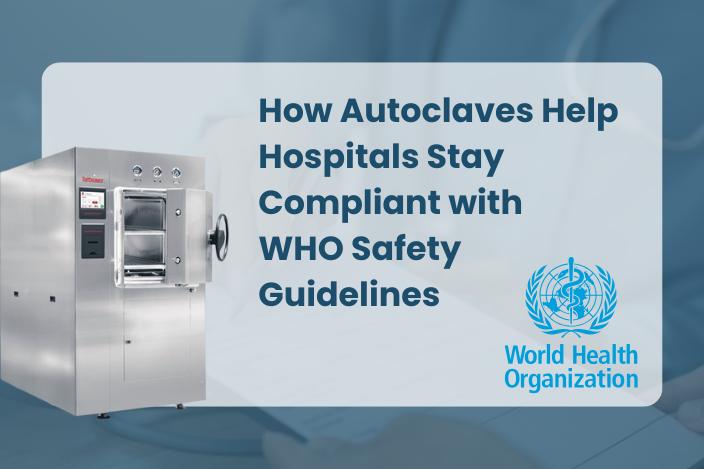
Steam sterilization (autoclaving) is best to prefer for heat- and moisture-resistant equipment.
-
For the items that are heat/moisture sensitive, like plastics, electronics, and delicate alloys.
-
This is where using low-temperature methods such as ethylene oxide (EtO), hydrogen peroxide gas plasma, or vaporised hydrogen peroxide is preferred across medical settings.
-
For example, EtO requires careful aeration after sterilization to remove toxic residues.
Selecting the correct method ensures both effectiveness and longevity of the equipment.
Storage & Handling of Sterilized Items
Medical device reprocessing also takes effort of correct handling. Make sure you are storing the items in a sterilized setting after usage. For this, these are the key requirements:
-
Assess your shelves to determine where to store infection prevention and control items.
-
Shelves should be at least 8–10 inches off the floor and away from walls/ceiling and sprinkler heads.
-
The best placement of shelves will let air in and allow appropriate circulation.
-
Inspect packaging—any dropped or compromised pack should be considered contaminated.
-
Use “first in, first out” (FIFO) inventory management to minimize expiration of sterilized items.
-
Handle items using aseptic technique when transporting to point of use.
Good storage preserves the value of equipment (which is important for facilities buying via Capri Medicals) and protects patients.
Link to Equipment Procurement & Supplier Role
For a supplier like Capri Medicals, there are additional ways to add value:
-
Provide equipment with compatible accessories (e.g., sterilization containers, baskets) and ensure the equipment meets the autoclave sterilization process (material compatibility, “cleanable” design).
-
Offer service/maintenance plans for sterilizers and relevant equipment since predictable sterilization depends on well‐maintained machines.
-
Provide guidance or signage (e.g., product sheets) for end users about proper reprocessing of the equipment you supply.
By doing so, you become more than a vendor — you become a partner in safe healthcare delivery.
The Wrap Up! Why Sterilization is a Critical Part of Patient Treatment?
Hospitals, clinics and medical suppliers in Pakistan and beyond must adhere to many careful practices as discussed. For instance, proper cleaning and correct classification and aseptic storage. Proper sterilization not only keeps patients safe but also leads to a healthy practice attracting more patients and a positive reputation.
If your facility is sourcing equipment or upgrading your sterilization processes, look for partners who support you in the full lifecycle, like Capri Medicals. Because when every instrument is reliably sterile, every patient is a step closer to safe care.
Need guidance on selecting sterilizable equipment or setting up your central sterilization department? Contact Capri Medicals today for expert support.
FAQs
Why is correct packaging and loading important?
Proper packaging lets steam or gas reach every surface. Use approved wraps and place tools loosely so air can flow freely. This keeps each instrument fully sterilized.
How do you check if the sterilization worked?
Use mechanical, chemical, and biological indicators in every cycle. They confirm the right time, temperature, and pressure were reached. Keep a record of each run for safety and compliance.
Why must staff receive sterilization training?
Trained staff make fewer mistakes and prevent contamination. Regular refreshers in cleaning, PPE use, and equipment handling improve sterilization success by over 60%, according to CDC data.
How can a facility keep quality consistent?
Follow written SOPs and separate clean and dirty zones. Run audits, fix issues fast, and keep feedback flowing. Consistency keeps tools safe and helps meet accreditation healthcare sterilization standards (CDC/WHO).
.png)
.png)
.png)
.png)
.png)


.png)